Growing Tomatoes in a UK Greenhouse: Variety Comparison
Tomatoes are the crop most British greenhouse owners end up judging themselves by. A good year feels like beating the weather; a poor one leaves you staring at a window full of green fruit in October, wondering where it went wrong. Variety choice makes more difference than most of us expect, especially in a summer that never quite commits to being warm.
Cordon or bush: decide this first
Cordon tomatoes, also called indeterminate, grow as a single climbing stem. In a greenhouse they will reach two metres and more if you let them. Tie the stem to a cane or a length of string, rub out the sideshoots that appear where leaves join the main stem, and pinch out the growing tip once five or six trusses have set. The reward is a long season: ripe fruit from midsummer into autumn, a few at a time.
Bush tomatoes, or determinate, stop on their own. Most settle between 40cm and 70cm, branching freely with no help from you. There is no sideshooting to keep on top of, only the odd yellowing lower leaf to remove so air can move. Fruit ripens in one concentrated flush, which suits anyone who wants a batch for sauce rather than a steady trickle for salads.
In a small greenhouse, bush types are often the smarter choice. They grow well in pots, grow bags and even hanging baskets, and can be moved outside in July once the first trusses have set. Cordons crop more heavily for the floor space they occupy, but they want height, support and a weekly once-over.
Why a cool summer narrows the shortlist
Tomato flowers set fruit badly when night temperatures drop below roughly 15°C, and dull days slow ripening even when pollination has worked. Damp, still air inside a closed greenhouse adds blight to the list of worries.
Three things help: early cropping, small fruit that ripens quickly, and varieties with a bit of cold tolerance in their background. Cherry tomatoes are the safest bet almost anywhere in the UK. Beefsteaks are the gamble — they need a long, bright season, so treat them as a bonus rather than the backbone of your crop. Grow two or three varieties instead of one, and a poor summer is unlikely to wipe out everything.
Cordon varieties worth the space
Cherries and small fruit
Gardener's Delight is still hard to beat. It crops heavily, the fruit is thin-skinned and sweet, and it manages in a cool greenhouse. It splits if watering is uneven, so mulch and water steadily. Sungold is sweeter still, with tangerine-orange fruit, and vigorous enough to fill a roof space. Tigerella ripens early, carries attractive striped fruit, and copes with cooler conditions better than most. Black Cherry has a deeper, richer flavour, but it wants more warmth and a longer season.
Medium slicing tomatoes
Shirley is a greenhouse classic: early, uniform and dependable, with fruit that holds well on the plant. Alicante gives good flavour and a decent yield in a greenhouse or a sheltered spot outdoors. Ailsa Craig is an old variety with excellent flavour and thin skin that needs careful handling. It is not the heaviest cropper, but the flavour is worth it if you have space. Moneymaker is the reliable workhorse — not the most exciting tomato, but it sets fruit well in cooler conditions and produces a steady supply for sandwiches and salads.
Beefsteaks and large fruit
Beefsteak tomatoes are the ones that win village shows, but they are the least forgiving in a UK greenhouse. They need a long, bright season, plenty of warmth and consistent watering. If they dry out, the fruit splits or develops blossom end rot. Grow them in the sunniest spot, start them early under cover, and limit each plant to three or four trusses so the fruit gets the energy it needs. Big Boy is a reliable choice, producing large, smooth fruit with good flavour. Marmande is an old French variety with ribbed, meaty fruit that is excellent sliced. Brandywine has a cult following for its rich, sweet flavour, but it is a late cropper and needs all the warmth you can give it. Costoluto Fiorentino is another Italian favourite, deep red and heavily ribbed, best picked before it goes soft.
Bush varieties for smaller greenhouses
If your greenhouse is a small lean-to, or you grow in pots on a patio, bush tomatoes are often the better bet. They stay compact, need no sideshooting and crop in a concentrated burst. Tumbling Tom is the classic hanging basket tomato, with red or yellow cherry fruit that hangs down in cascades. It is early and forgiving, even in a dull summer. Gartenperle is similar but with tiny, sweet fruit and a slightly more trailing habit. Red Alert is a bush cherry that ripens very early, making it a good insurance policy against a cool June.
For sauce and passata, Roma is the standard bush plum: thick-walled, meaty and low in water. It is not the best for eating raw, but it cooks down beautifully. Lizzano is a more modern bush cherry with good blight resistance, which matters in a wet year. Minibel is tiny — barely 30cm — and can be grown on a windowsill or in a small pot, though the crop is naturally limited.
How to choose your mix
Most greenhouse growers do best with three or four varieties rather than a single one. Start with one early cherry for salads, one reliable medium slicing tomato, and one bush plum for cooking. If you have space and a sunny summer, add a beefsteak as a bonus. Stagger your sowings: a first batch in late February or early March for early fruit, and a second in April to keep the season going. That way, if a cold snap catches the first trusses, you have a backup.
It is also worth looking at blight-resistant varieties. Crimson Crush is a cordon that has genuinely good resistance to late blight, and it crops well in a greenhouse. Mountain Magic is another that stands up to disease, with small, sweet fruit. These are not immune, but they give you a better chance in a wet August when spores are everywhere.
The details that matter more than variety
Even the best variety will disappoint if the basics are wrong. Watering is the first thing: little and often, ideally in the morning, and never on the leaves. Dry spells followed by a soaking cause split fruit and blossom end rot. A mulch of compost or grass cuttings helps keep moisture even. Feeding matters too — start with a high-potash tomato feed once the first truss has set, and keep going until the end of August.
Ventilation is the other big one. A closed greenhouse in July becomes a humid jungle, and that is when blight and mould take hold. Open vents and doors in the morning, and close them in late afternoon if it turns cool. Remove lower leaves that have yellowed so air can move under the plants. Shade the glass with a wash or netting if the sun is fierce, but remember that tomatoes need light to ripen.
Pollination can be a problem in cool weather. Tomato flowers are self-fertile, but they need a bit of vibration to release pollen. Outdoors, wind does the job. In a still greenhouse, tap the support cane or the string with your hand every day at midday. Some growers use an electric toothbrush against the stem, which works well for beefsteaks with heavy trusses.
If the air in your greenhouse smells damp and still, it is not a tomato greenhouse — it is a blight nursery. Ventilate first, water second, and feed third.
A short list for a typical UK greenhouse
- Gardener's Delight — early, heavy, sweet cherry. The safest bet.
- Sungold — extra sweet, orange, vigorous. Needs tall support.
- Shirley — reliable medium slicer, good in cool summers.
- Ailsa Craig — old-fashioned flavour, thin skin, worth the fuss.
- Tumbling Tom — bush cherry for pots and baskets.
- Roma — bush plum for sauce and passata.
- Crimson Crush — blight-resistant cordon for wet years.
Grow what you actually eat, and do not try to fight the climate with varieties that need a Mediterranean summer. A small, well-tended greenhouse with two or three reliable varieties will give you more tomatoes than a roof full of exotics. Start with the easy ones, learn how your greenhouse behaves, and add a beefsteak or a Black Cherry when you have a year that deserves it.
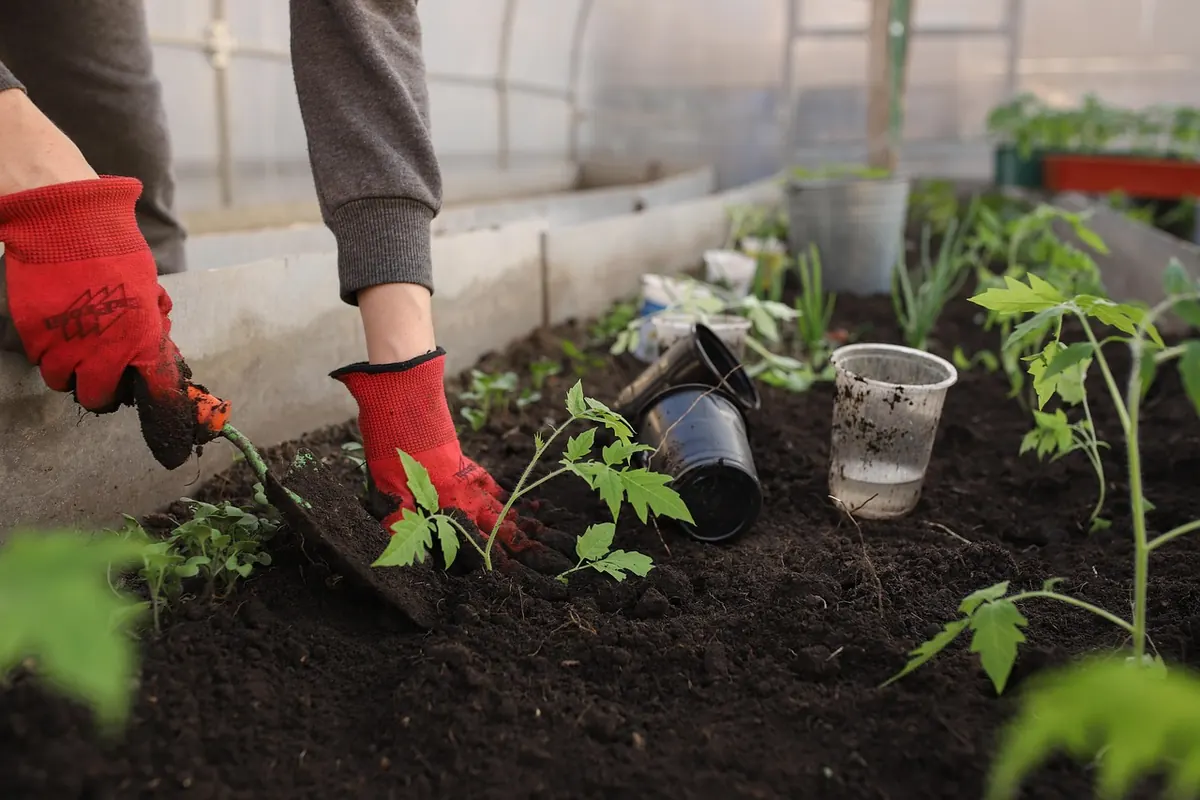
Photo: Katya_Ershova / Pixabay
How to Cure and Store Onions and Garlic for Winter
Curing onions and garlic properly dries the necks and skins, so bulbs stay firm through winter. Here's how...
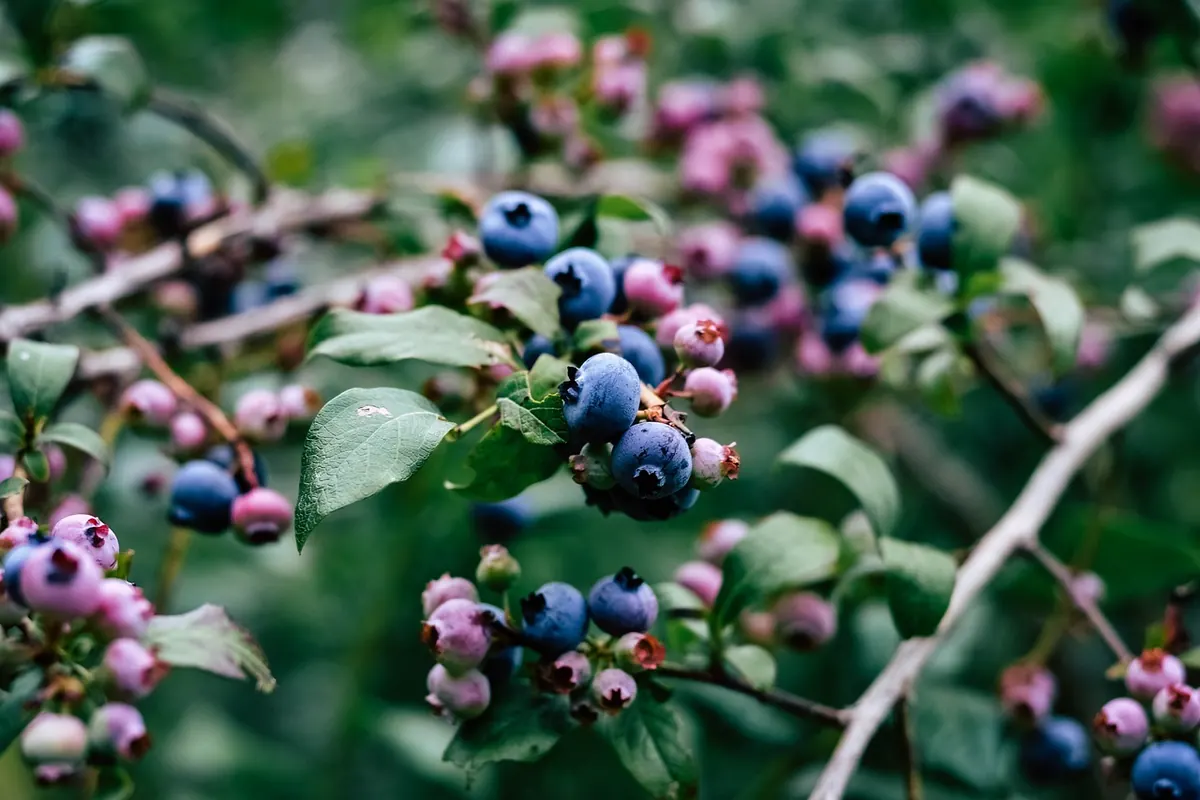
How to Grow Blueberries in Acidic Compost
Blueberries need acid soil to crop well. Here is how to keep the pH right in pots, water and feed them...