Autumn Vegetable Garden Checklist for UK Growers
Autumn is the quietest busy season in the vegetable garden. Crops are finishing, light levels are dropping, and the soil is still warm enough to work comfortably. That combination makes the next few weekends unusually valuable: what you clear, sow and cover now decides how much of a scramble next spring turns into. None of it has to happen in one go. Work through it at your own pace, prioritising whatever the weather is about to spoil.
Clear Spent Crops — Selectively
Start with anything that has genuinely finished. French and runner beans, courgettes, cucumbers, sweetcorn and outdoor tomatoes can all come out once cropping stops. When you pull runner and French beans, cut the stems at ground level and leave the roots in place; the nitrogen nodules attached to them break down in the soil and feed whatever follows.
What you do with the debris matters. Healthy foliage, stems and soft growth can go on the compost heap. Anything with blight, clubroot, white rot or downy mildew should not. Tomato and potato haulm carrying blight, and brassica roots with clubroot, are best bagged and put in the council green waste collection or burned where local rules allow. A compost heap rarely gets hot enough to kill those problems, and you will simply spread them back onto the beds later.
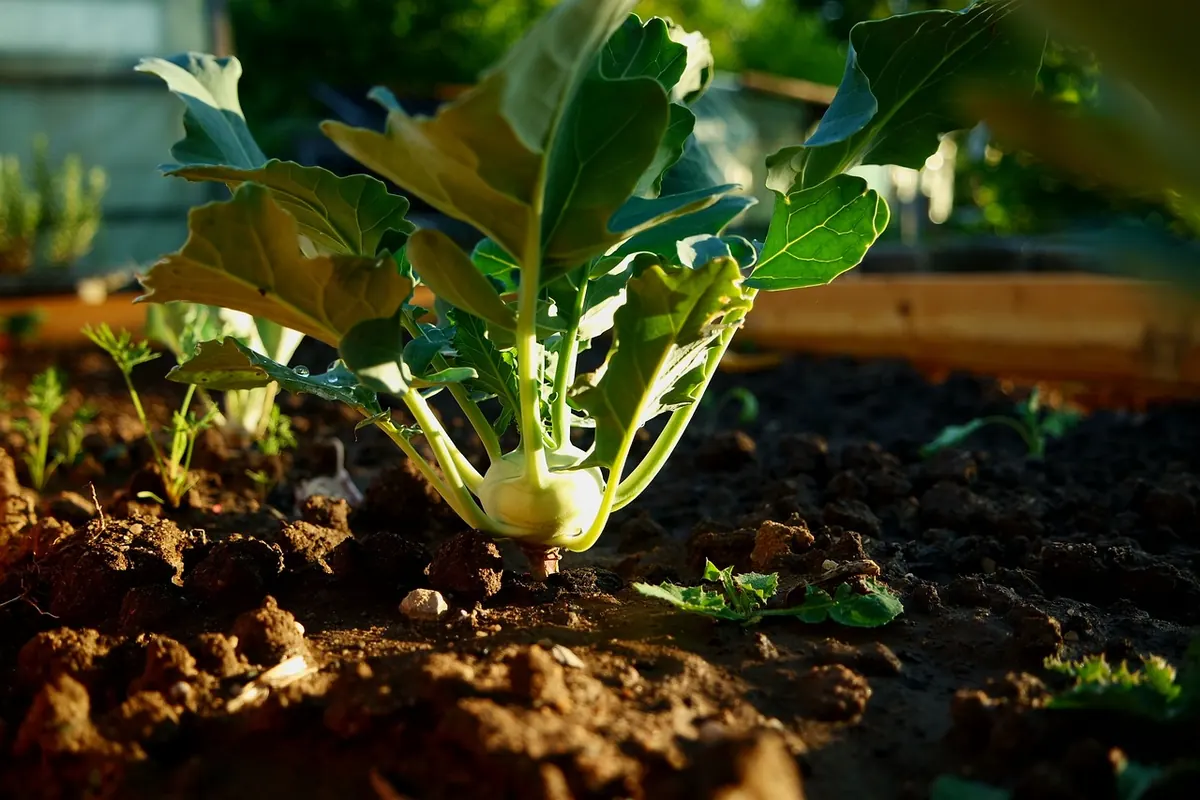
Resist the urge to strip everything bare. Leeks, parsnips, kale, chard, winter cabbage, Brussels sprouts and purple sprouting broccoli all keep going through the cold months, and parsnips actually sweeten after a frost.
Sow and Plant for Winter and Early Spring
The list of things that will still grow is longer than most people expect. Growth slows dramatically as days shorten, so treat these sowings as a slow burn rather than a quick crop — the payoff comes in March and April, when fresh greens are scarce and expensive to buy.
Worth sowing now
- Broad beans — sow in October or November for the earliest pods. Aquadulce Claudia is the traditional choice for overwintering. Sow in modules and plant out, or direct sow where mice are not a problem.
- Hardy peas — round-seeded varieties cope with cold better than wrinkle-seeded ones. Protect young plants with netting.
- Winter salads — lamb's lettuce, land cress, mizuna, winter purslane and claytonia all tick over in a cold frame or under a cloche.
- Spring onions — White Lisbon sown in September often overwinters well enough to give you early pickings.
- Spinach and chard — late sowings of winter-hardy spinach will stand until spring if given some shelter.
Worth planting now
Garlic wants a cold spell to split into decent bulbs, so plant cloves pointed end up, about 15cm apart, from October to November. Overwintering onion sets and spring cabbage go in at roughly the same time. If your soil is heavy clay and liable to sit wet, plant garlic and onions in raised beds or start them in modules and plant out once they have rooted.
Protect the Crops Still Standing
Shelter is the difference between a crop that limps into winter and one that keeps producing. Keep fleece, cloches and old net curtains to hand for the first sharp nights.
Earth up leeks and celery to blanch the stems and give them some wind protection. Stake Brussels sprouts before the tops get heavy, and pull off yellowing lower leaves to improve airflow and reduce disease. Brassicas of every kind need netting at this time of year: pigeons will strip a young kale plant in an afternoon.
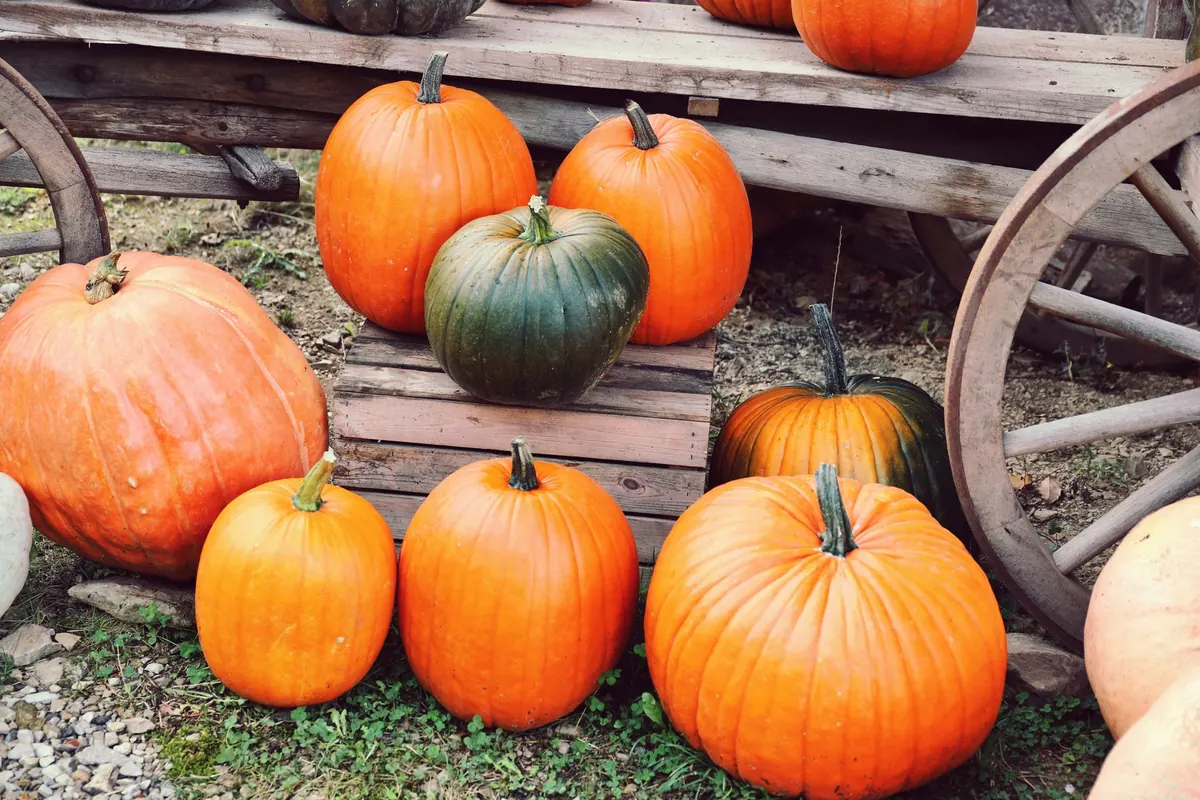
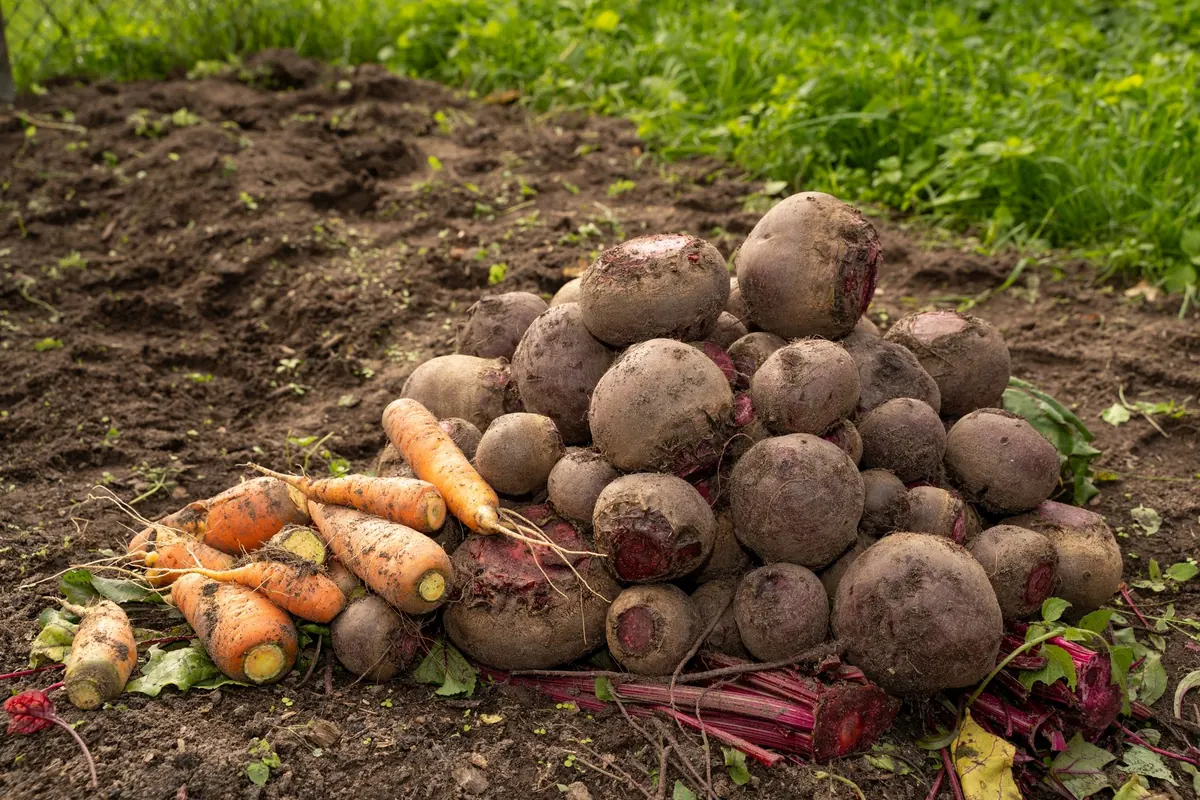
Lift maincrop potatoes before the ground turns to mud and slugs move in. Leave squash and pumpkins on the plant until the skin is hard enough that a thumbnail does not mark it, then cure them somewhere warm and dry for a week or two before storing. Green tomatoes ripen perfectly well indoors on a windowsill or in a drawer with a ripe banana.
Get tender herbs and any pots of tender perennials under cover before the first frost. Frost dates vary enormously across the UK — northern Scotland can see one in late September while parts of the south-west may not get a proper frost until November — so watch your own local forecast rather than a calendar.
Look After the Soil While It Is Still Warm
Bare soil loses nutrients and structure to winter rain. Either sow a green manure or mulch it. Field beans, grazing rye and winter tares all germinate in autumn and can be dug in or cut down in spring. Sow phacelia early if you want it; it is killed by hard frost and will leave a useful mulch behind.
Spread well-rotted compost or manure on top of empty beds and let the worms work it in. On heavy clay, avoid digging when the soil is wet — you will compact it and create a pan that takes years to fix. If your brassica bed needs lime, apply it now, but never at the same time as manure, and keep it away from where potatoes will go next year.
Bag up fallen leaves for leaf mould. A simple wire bin and a couple of years' patience gives you the best seed-sowing compost you can get for free.
Clean, Repair and Store
Wash pots and seed trays, and clean greenhouse glass inside and out — light is precious from now until March. Sharpen and oil tools before hanging them up, and drain hoses and lag outdoor taps before the first hard freeze. Sort your seed packets, bin anything out of date, and make a note of what grew well this year while you can still remember.
Your Autumn Checklist
If you only do five things before the weather turns, do these:
- Clear and compost spent crops, and bin anything diseased.
- Plant garlic and overwintering onions; sow broad beans and winter salads.
- Net the brassicas and earth up the leeks.
- Lift potatoes and cure your squash before storing them.
- Cover bare soil with compost or a green manure.
Work through that and the plot will come out of winter in good order, with something already growing and far less to do when the growing season starts again.
Photo: Vilnis Husko / Pexels
How to Cure and Store Onions and Garlic for Winter
Curing onions and garlic properly dries the necks and skins, so bulbs stay firm through winter. Here's how...
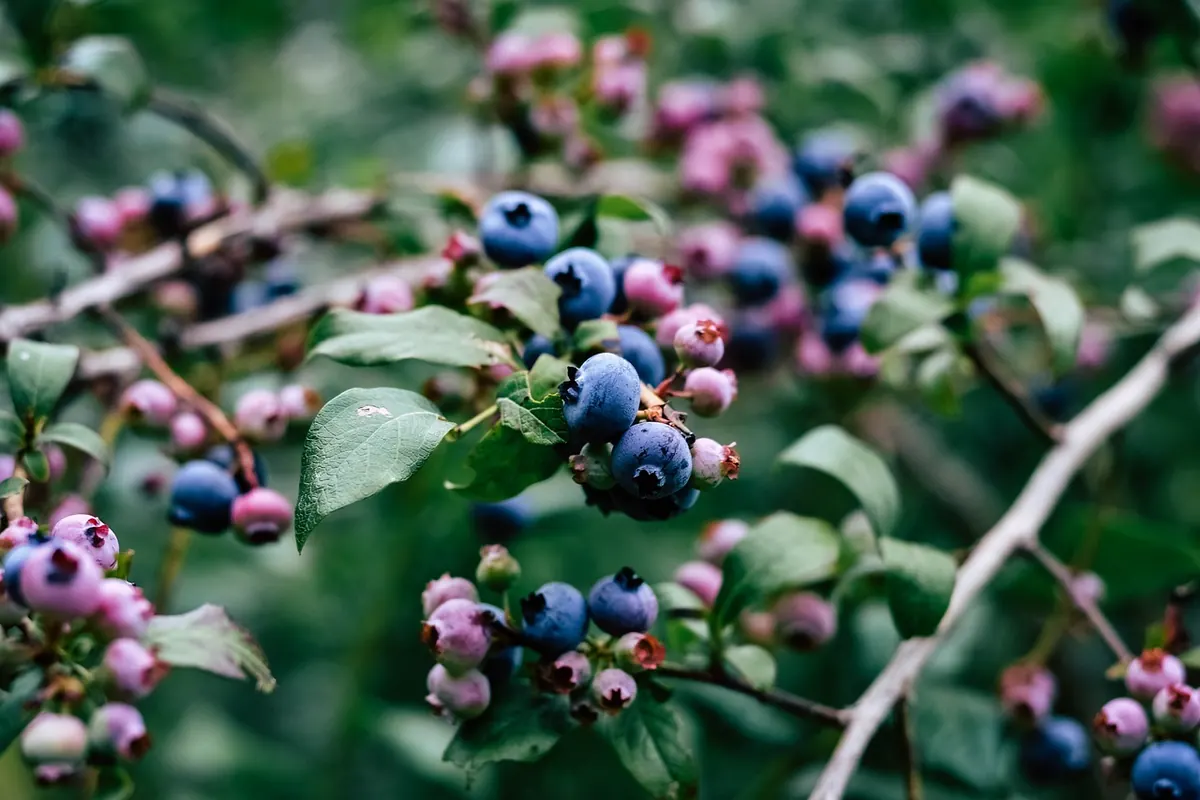
How to Grow Blueberries in Acidic Compost
Blueberries need acid soil to crop well. Here is how to keep the pH right in pots, water and feed them...