No-Dig Vegetable Beds for Beginners: Pros and Cons
No-dig has become the default way to start a vegetable bed on many allotments, and for good reason. It saves your back, keeps annual weeds down and tends to leave soil in better shape than a spade does. It is not a free pass, though. On heavy clay, or a plot smothered in bindweed, the no-dig approach asks for patience and a serious amount of compost. Here is an honest look at both methods.
What no-dig really means
Strip away the arguments and no-dig is a simple set of habits. You cover the ground with a light-excluding layer, usually cardboard, then spread compost or well-rotted manure on top. You plant into that layer, and each year you add a few more centimetres of organic matter. What you never do is turn the soil over.
The soil does the rest. Worms, roots and fungi move organic matter downwards, and the structure that builds up — crumbs, channels, air pockets — is the thing you would otherwise be trying to imitate with a fork. A spade can loosen soil in an afternoon; it can also wreck the aggregation that took years to form.
The practical details matter: beds about 1.2 m wide so you can reach the middle from either side, permanent paths you actually stand on, and a mulch layer of 5–10 cm to start, topped up by 2–5 cm a year.
Weeds: the strongest argument for no-dig
Every time you turn soil, you bring buried weed seeds into the light, and they germinate. Digging a new bed can feel like rolling out a red carpet for chickweed, fat hen and annual grasses. Leave the soil undisturbed and most of that seed bank stays asleep.
Perennial weeds are a different story, and this is where new no-dig gardeners get caught out. Couch grass, bindweed, ground elder, creeping buttercup and horsetail do not respect a layer of compost. They run straight through it, and a mulch that smothers annual weeds barely slows them down.
- Annual weeds: far fewer with no-dig, and the ones that appear are easy to hoe or pull.
- Perennial weeds: mulch alone will not kill them. Exclude light for a full season with cardboard plus a membrane, or dig the roots out before you start.
- Slugs: a cool, moist mulch suits them. Young transplants and seedlings need protection.
- Path edges: weeds creep in from the sides. Keep them strimmed or mulched.
A dug bed gives you one genuine advantage: the chance to remove deep roots in a single go, which is worth a lot on a neglected plot. The trade-off is that the seed bank wakes up, and you will be weeding that ground for a year or two.
Soil health: what changes under each method
Undisturbed soil keeps its architecture. Worm burrows stay open, fungal threads stay connected to plant roots, and organic matter is worked down gradually rather than buried in a rush. Digging breaks those threads, mixes the layers and exposes carbon that then oxidises into the air.
None of that means no-dig soil is automatically fertile. The method depends entirely on what you put on top. If the compost is thin, tired or full of weed seeds, you get a thin, tired bed. And digging does not destroy soil forever — one dig to relieve compaction on a new plot is not a catastrophe, provided you do not then keep at it every spring.
No-dig on UK clay soils
Clay is the soil most British gardeners end up arguing about. It holds nutrients well and crops can do beautifully on it, but it is heavy, slow to warm in spring and compacts badly underfoot. Working it wet is the classic mistake: you smear the structure and end up with something closer to brick than soil.
No-dig suits clay in one important way — you never have to dig it. You add organic matter on top, plant into that, and let worms and roots do the mixing over several seasons. In practice, improvement is slow. The compost layer can sit wet through winter, and plant roots may struggle to push into undisturbed clay in the first year.
If your clay is heavy and wet
Raised beds are often the kinder answer. Fill them with a mix of topsoil and compost, 20–30 cm deep, and you have drainage and workability straight away rather than in five years' time. Otherwise, keep beds narrow, never step on them, and put boards down if you must reach across in winter. If you do decide to dig clay, do it in autumn when it is moist but not sodden, and leave the surface rough so frost can break it down.
When a dug bed still makes sense
Digging is a tool, not a moral failing. It earns its place when you are dealing with:
- A plot compacted by machinery, or with a hardpan a fork will not enter.
- Thick matted turf or a jungle of deep-rooted perennials.
- Very sandy soil where you want to work bulky manure in deep in one go.
- Ground that has been waterlogged and capped, and needs opening up.
Dig once, add organic matter, then stop. A plot where the older beds were dug and the newer ones are no-dig is a perfectly sensible arrangement.
Starting a no-dig bed: a first-year plan
- Mark out beds 1.2 m wide with paths between them, and decide where you will stand.
- Cut or strim tall growth to the ground. Do not dig.
- Lay overlapping cardboard, water it well and weigh it down.
- Spread 5–10 cm of compost or well-rotted manure on top. A bed 1.2 m by 2.4 m at 5 cm deep takes roughly 150 litres, so start with fewer, bigger beds if compost is short.
- Plant into it the same season. Potatoes, courgettes, brassicas and leeks are forgiving; sow salads into a shallow trench of compost.
- Top up with 2–5 cm each autumn and mulch the paths to keep them clear.
Choosing what suits your plot
If you can get hold of plenty of compost and your main weeds are annuals, no-dig will save you time and improve the soil as it goes. If you are starting on compacted clay or a plot full of bindweed, deal with the worst of it first — dig or smother — then settle into no-dig once the ground is workable.
Try both. Run one no-dig bed and one dug bed side by side for a season, note the weeding, the watering and how the crops look, and let your own soil have the final word.
Photo: ramszei / Pixabay

How to Cure and Store Onions and Garlic for Winter
Curing onions and garlic properly dries the necks and skins, so bulbs stay firm through winter. Here's how...
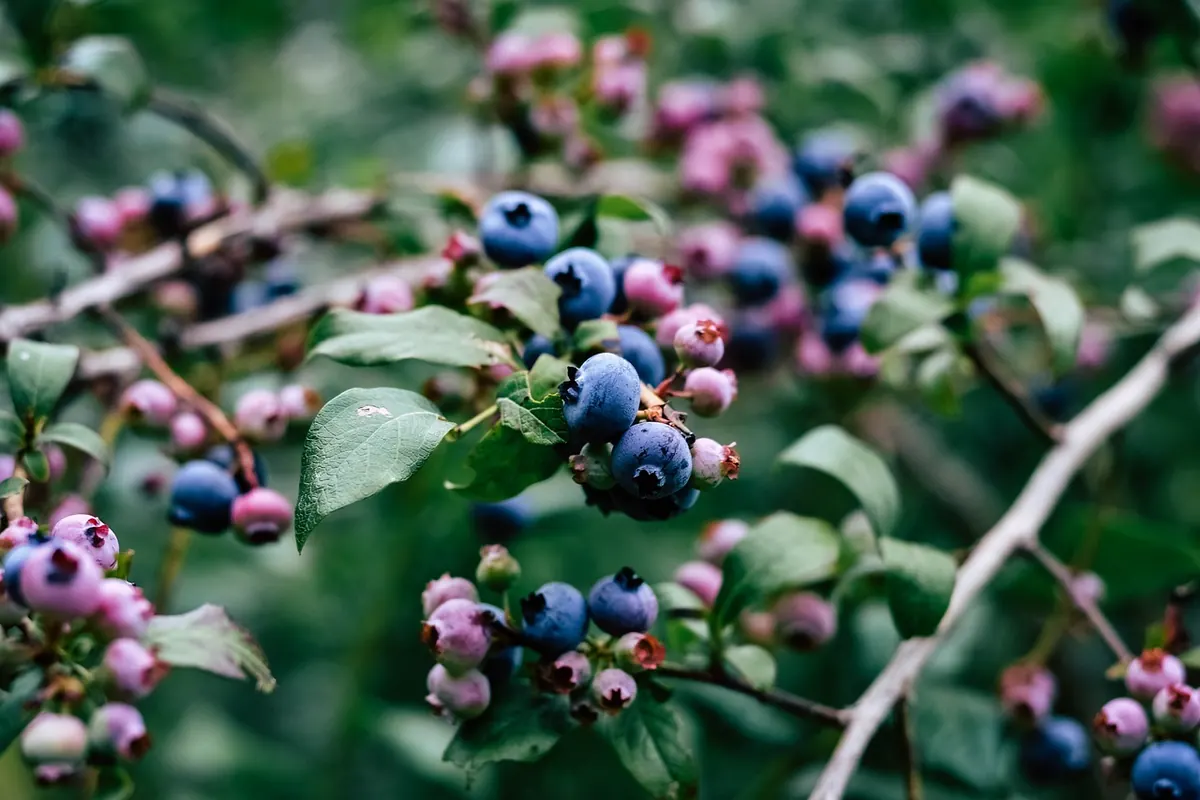
How to Grow Blueberries in Acidic Compost
Blueberries need acid soil to crop well. Here is how to keep the pH right in pots, water and feed them...