A Beginner's Guide to Growing Strawberries in Pots
A Beginner's Guide to Growing Strawberries in Pots
A punnet of supermarket strawberries is one of the year's quieter disappointments: picked early, shipped far, rarely as sweet as the ones you grow yourself. You don't need an allotment to do better. A decent-sized pot on a sunny patio, a doorstep or a balcony that catches a few hours of sun will give you a surprisingly generous crop.
Strawberries suit containers better than almost any other fruit. Their roots are shallow, the plants are compact, and lifting them off the ground keeps the fruit clean and slugs at bay. Here's how to get a decent harvest in your first year, and a better one in the second.
They are also forgiving. A strawberry plant will not sulk if you forget to water it for a day, and it will reward even a modest effort with fruit that tastes like summer should. The trick is to give it enough sun, enough water, and a pot that does not dry out by lunchtime.
Choose your varieties: summer or everbearing?
Strawberries come in two useful groups, and it's worth knowing which one you're buying before you part with any money. The labels can be confusing, but the difference is simple: one group gives you a lot at once, the other gives you a little for months.
Summer-fruiting varieties, also called June-bearers, give one heavy crop over three or four weeks in early summer. The berries are big and the plants throw out plenty of runners. 'Cambridge Favourite', 'Honeoye' and 'Elsanta' are all reliable. If you want to fill jam pans or freeze a few bags, these are the ones to grow.
Everbearing, or perpetual, varieties crop in smaller flushes from June into September. The berries are smaller, but the season is far longer and the plants produce very few runners. Look for 'Albion', 'Ostara' or 'Flamenco'. They are ideal for grazers, for children, and for anyone who wants a handful of berries with breakfast rather than a glut in July.
If you have space for four pots, plant two of each. That way you get a big early-summer harvest and a steady trickle later on. If you only have room for one pot, choose an everbearing variety; it will keep you in fruit for months rather than weeks.
What about alpine strawberries?
Alpine strawberries are a different species, usually grown from seed. The berries are tiny, often no bigger than a pea, but they have a concentrated, almost perfumed flavour. They tolerate a little more shade than regular strawberries and rarely produce runners, which makes them perfect for a small pot by the kitchen door. They will not fill a bowl, but they are wonderful scattered over yogurt or eaten straight from the plant.
Pots, compost and planting
Strawberries are shallow-rooted, so they don't need a deep pot, but they do need width. A pot that is 30cm across and 25cm deep will comfortably hold one plant; a 40cm pot can take three. Terracotta looks lovely but dries out quickly, so glazed ceramic, plastic, or a fabric grow bag is often more forgiving. Whatever you choose, make sure there are drainage holes. Strawberries hate sitting in soggy compost.
Use a good-quality peat-free multipurpose compost, or a mix of multipurpose and John Innes No. 2 for a little more weight and water retention. Avoid compost that has already been used for tomatoes or potatoes, as it may carry diseases. If you are reusing pots, scrub them out with hot soapy water first.
Plant so the crown — the thick, woody part where the leaves emerge — sits just above the compost surface. Bury it and the plant may rot; leave it too high and the roots dry out. Firm the compost gently around the roots, water well, and keep the pot in a sunny, sheltered spot. Six to eight hours of direct sun is ideal; fewer than four and you will get leaves rather than fruit.
A simple planting plan
Here is an easy first-year plan for a small patio:
- Pot 1: 'Honeoye' or 'Cambridge Favourite' — early summer crop.
- Pot 2: 'Elsanta' — midseason summer crop.
- Pot 3: 'Albion' — everbearing, for fruit from June to September.
- Pot 4: 'Ostara' — everbearing, slightly later and very reliable.
Group the pots together so they are easy to water, but leave a little air between them to reduce disease.
Watering, feeding and daily care
Consistency matters more than quantity. Strawberries in pots dry out fast, especially in windy weather or when the fruit is swelling. Check the compost every day in summer by pushing a finger in up to the first knuckle. If it feels dry, water until it runs out of the drainage holes. In hot spells, you may need to water twice a day.
Try to water the compost, not the leaves and fruit. Wet berries invite mould. A small watering can with a narrow spout is easier than a hose. If you can, water in the morning so any splashes on the foliage dry before evening.
Feed regularly once flowers appear. A liquid tomato feed, high in potassium, is ideal. Dilute it to half strength and apply every week or two, following the bottle instructions. Too much nitrogen — the first number on the fertiliser label — gives you lush leaves and few berries. From late summer, stop feeding so the plants can harden off for winter.
Remove any dead leaves and fallen fruit promptly. This keeps slugs, snails and mould at bay. If you see runners — long stems with tiny plantlets on the end — snip them off unless you want new plants. Runners take energy away from fruit production. The exception is if you are propagating your own stock for next year.
Harvesting and overwintering
Pick strawberries when they are fully coloured and slightly soft. They will not ripen further once picked, so leave them on the plant until they are deep red and fragrant. Taste one before you commit to a big harvest; flavour is the best guide. Eat them the same day if you can. If you have a glut, freeze them in a single layer on a tray, then bag them up.
After cropping, summer-fruiting plants will look tired. Cut off the old leaves, leaving the crown and new growth, and tidy the pot. Everbearing varieties can be left to carry on until the first frosts. In cold areas, move pots to a sheltered spot against a wall, or wrap them in bubble wrap or horticultural fleece. Strawberry crowns are hardy, but roots in pots are more exposed to freezing than roots in the ground.
Most strawberry plants crop well for two or three years, then decline. The easiest way to keep going is to root a few runners in small pots of compost while they are still attached to the parent plant. Once rooted, cut them free and overwinter them in a cold frame or sheltered corner. In spring, you will have fresh, young plants for free.
“The best strawberry is the one you eat standing up, still warm from the sun, with the pot beside you.”
Common problems and easy fixes
Strawberries are not difficult, but they do have a few predictable enemies.
- Slugs and snails: Keep pots off the ground, use copper tape around the rim, or check under the pot saucer in the evening. A mulch of straw around the plants also helps keep fruit clean.
- Birds: Net the pots once the berries start to colour. Use a fine net stretched tight, and check it daily so birds do not get tangled.
- Mould and rot: Improve airflow, water the compost rather than the fruit, and remove affected berries immediately. Do not compost diseased fruit.
- Yellowing leaves: Often a sign of poor drainage or lack of nutrients. Check the compost is not waterlogged, and give a dilute tomato feed.
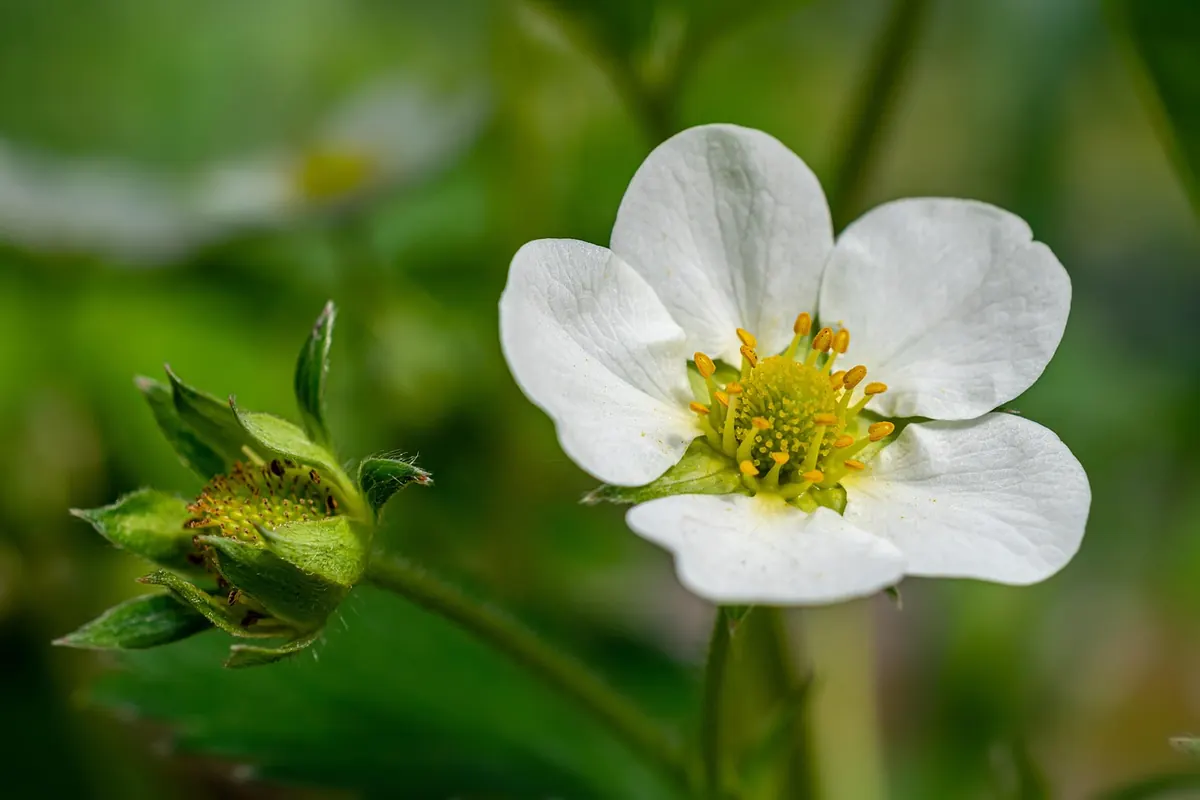
- Small or misshapen fruit: Usually caused by dry spells or poor pollination. Water consistently and encourage bees by planting flowers nearby.
A year at a glance
If you like a simple rhythm, here is what to do and when:
- Spring: Plant new pots, top-dress with fresh compost, start feeding when flowers appear.
- Early summer: Water daily, net against birds, pick summer-fruiting varieties as they ripen.
- Late summer: Keep picking everbearing types, remove runners, stop feeding in late August.
- Autumn: Tidy leaves, move pots to shelter, plant rooted runners if you want new stock.
- Winter: Check pots are not waterlogged, protect from hard frosts, do nothing else.
Final thoughts
Growing strawberries in pots is one of the most rewarding small-space projects you can try. The plants are cheap, the pots are portable, and the fruit tastes nothing like the imported kind. Start with two or three healthy plants, give them sun and steady water, and you will be picking your own berries within a few months. The second year is usually even better — and by then you will know exactly which varieties you want more of.
Photo: Coernl / Pixabay
How to Cure and Store Onions and Garlic for Winter
Curing onions and garlic properly dries the necks and skins, so bulbs stay firm through winter. Here's how...
How to Grow Blueberries in Acidic Compost
Blueberries need acid soil to crop well. Here is how to keep the pH right in pots, water and feed them...